

I have to be philosophical about this. There’s a strange and eerie calm that follows a technological shift. Not so much panic. Not excitement. Just… stillness.
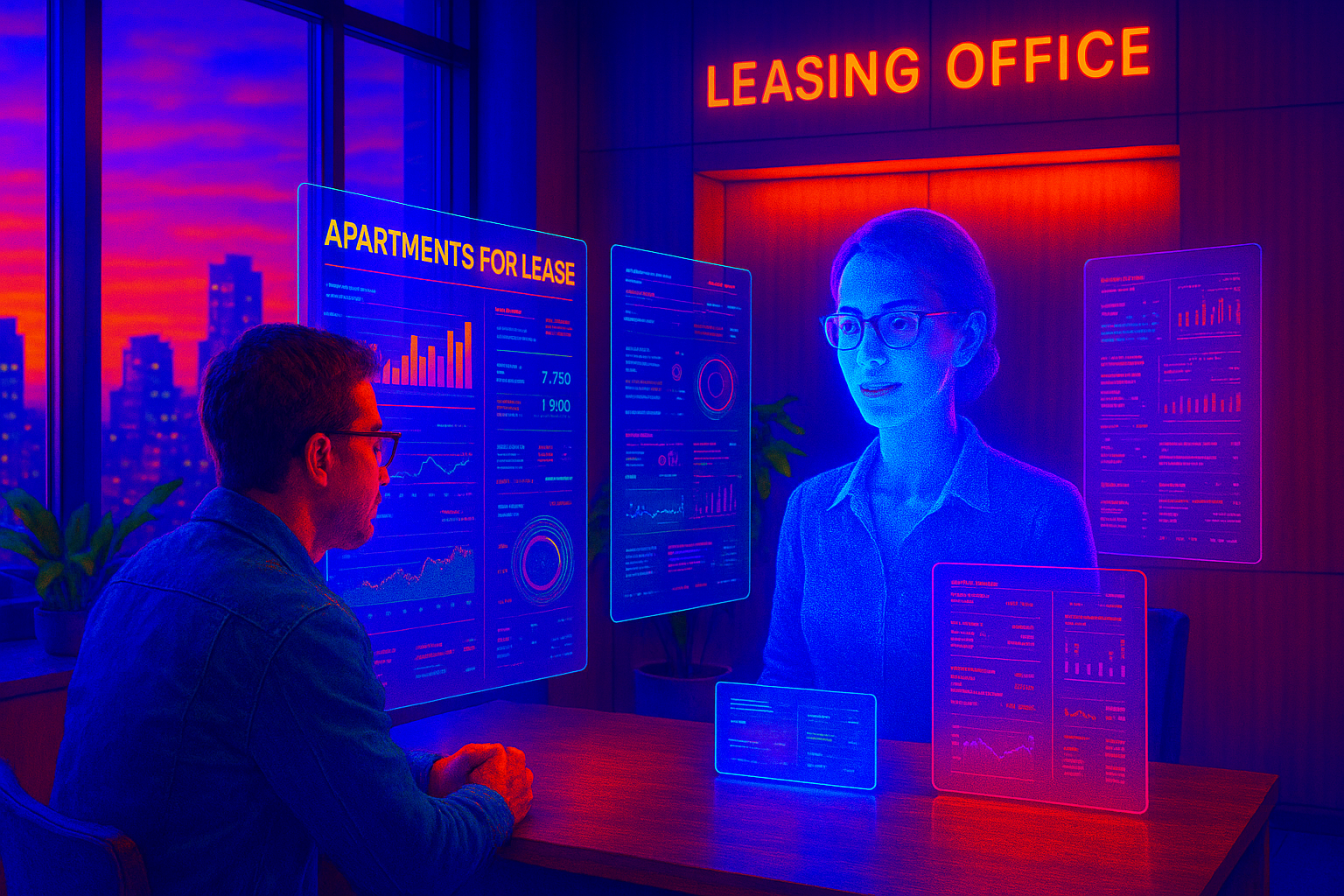
I felt that stillness on October 7th after testing Zillow’s new ChatGPT integration.
No website. No tab hopping. No click. Just one request, and an instant, personalized result inside an AI model.
I sat there in literal shock at what I experienced. That’s when it hit me: the “zero-click future” isn’t an abstract forecast anymore. It’s a massive milestone. We just crossed it.
We’ve Seen This Movie Before. Just Not This Fast
The first version of the web was a directory.
Then came search & self-publication. Then social. Then recommendation algorithms.
Each wave changed where attention lived. Now, we’re watching the interface itself dissolve in real-time.
There’s no page to load. No ad impression to count. The web is becoming ambient; no longer a place you go, but an intelligence you talk to.
And yet, most of the industry still treats AI as a shiny tool, not a tectonic layer. That’s how the old guard always reacts.
When Google launched in 1998, media said something to the affect of, “People will always go directly to websites they trust.”
When Facebook Pages emerged, brands said, “Social’s not for B2B.”
When mobile apps exploded, companies said, “Our site works fine on desktop.”
Now, with AI chat interfaces rewriting distribution, the refrain is, “This won’t replace the website.” Maybe. But it will replace the click. When? Sooner than we think. Now.
A New Kind of Gatekeeper
Let’s talk theory for a moment - If large language models become the front door to information, commerce, and discovery, the new power dynamic isn’t “who ranks highest.” It’s “who’s integrated.”
Think about that for a minute, take a few days actually, because I still am.
Search used to reward those who published the best content.
AI will reward those who form the right partnerships. The ones that train, feed, and power these systems. Or will they?
We’re watching the next “browser wars,” except this time it’s ChatGPT vs. Gemini vs. Perplexity… and the winner won’t just own search traffic. They’ll own the conversation itself.
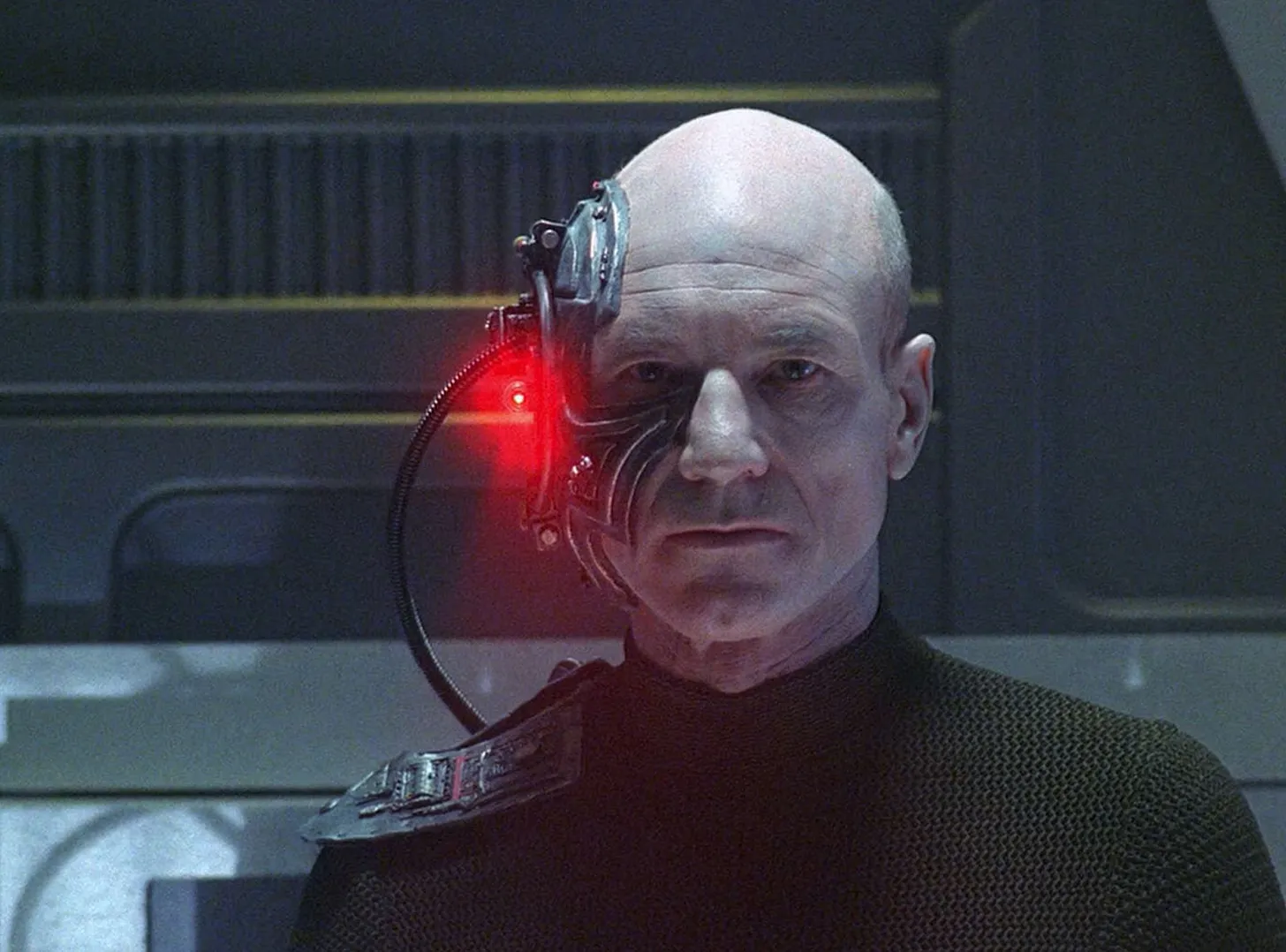
Adaptation Is A Choice. Resistance Is Futile.
Every major shift in the history of the web followed the same pattern:
Denial: “This won’t matter.”
Dismissal: “It’s just a tool.”
Dependence: “We can’t live without it.”
Right now at this very moment in time, most of marketing is trapped between stages one and two. Many feel apathetic or passive about this.
Apathy feels safe until the next update rolls out and your funnel metrics vanish.
But evolution never asks for permission.
Thinking Ahead
We can’t simply be optimizing websites anymore, right? We are designing conversations with systems that interpret human intent.
That means rethinking:
- How we structure data and content for AI comprehension.
- How we measure engagement without clicks.
- How we partner, not just publish.
This isn’t the death of marketing. It’s the death of passive marketing. The kind where we waited for people to come find us through funnel tricks.
The new web finds them first.
If I’m honest and humble, I’m still processing this. Beneath the unease, there’s an incredible spark. The same one that’s guided every digital revolution before this one: Curiosity.
That’s how change starts. Not with hype. With hunger.
So… What Happens Next?
This week’s announcement of Apps in ChatGPT only deepens the question.
If AI assistants can now host apps directly inside their own environment, connecting data, services, and personalized workflows, the web doesn’t just become zero-click. It becomes self-contained.
We’re watching the interface between humans and the internet collapse into a single conversational layer. That’s both fascinating and a little unsettling.
If the next era of the web isn’t about browsing but asking, and if platforms start living inside AI models instead of on separate domains, what happens to ownership, discovery, and trust?
Will we adapt fast enough to design for a world where context replaces clicks?
I’d love to hear your thoughts. What do you think this “Apps in GPT” evolution means? For marketing, for the web, or for how we experience technology itself?
I’m starting to think everything we knew is toast.
FAQ
What does “when the click disappears” mean for digital marketers?
It means AI search engines are answering questions directly — without sending users to websites. The traditional model where SEO drives clicks, clicks drive traffic, and traffic drives conversions is breaking down. Marketers who built their entire strategy on click-based discovery need to rethink how they create visibility in an era where the answer is the destination.
How is AI changing the traditional search funnel?
AI is collapsing the top of the funnel. Awareness, consideration, and decision-making that used to happen across multiple search sessions can now happen inside a single AI conversation. This compresses timelines, eliminates touchpoints, and shifts power away from content volume toward brand authority — the signals AI systems use to decide what to cite and recommend.
What should marketers do now that AI is replacing click-based discovery?
Build for citation, not just clicks. Publish clear, authoritative, well-structured content that AI systems can confidently extract and attribute. Invest in brand recognition so that when AI mentions your category, your name comes with it. And diversify beyond search — build direct relationships, email lists, and communities that don’t depend on algorithmic gatekeepers.